Heating is the single largest household expense in Hungary. According to the Hungarian Central Statistical Office, residential energy consumption for heating accounts for roughly 50% of total household energy use. With energy prices remaining elevated since the European energy crisis, Hungarian homeowners have a strong financial incentive to heat more efficiently. Smart thermostats offer one of the most accessible and impactful ways to do exactly that.
Why Smart Thermostats Matter in Hungary
Hungary experiences cold winters with average January temperatures between -2C and 2C, depending on the region. Heating seasons typically run from October through April, six months or more of the year. During this period, many households keep their heating on around the clock, often at a constant temperature even when nobody is home.
A smart thermostat addresses this waste by learning your schedule, detecting when rooms are empty, and adjusting temperature automatically. Independent studies suggest savings of 15-25% on heating bills, which in a Hungarian context could mean 20,000-60,000 HUF annually depending on the size of your home and your current heating habits.
Understanding Hungarian Heating Systems
Before choosing a smart thermostat, you need to know what heating system you have. Hungarian homes typically fall into one of these categories:
Individual Gas Boilers (Gazkazan)
Common in newer apartments and houses. These offer the most flexibility for smart thermostat installation. Most smart thermostats (Tado, Netatmo, Google Nest) can replace the existing thermostat or wall controller. Installation typically involves connecting two or three wires and takes 15-30 minutes.
District Heating (Tavfutes)
Very common in panel apartments (panellakas) built during the socialist era. District heating provides hot water to radiators from a central plant. You typically cannot install a traditional smart thermostat because you do not control the boiler. However, smart radiator valves (like Tado Smart Radiator Thermostat or Eve Thermo) can control individual radiators by adjusting flow.
Floor Heating (Padlofutes)
Increasingly popular in new construction. Smart thermostats work well with floor heating, though the response time is slower than with radiators. You need a thermostat designed for floor heating that can handle the gradual temperature changes without overshooting.
Electric Heating
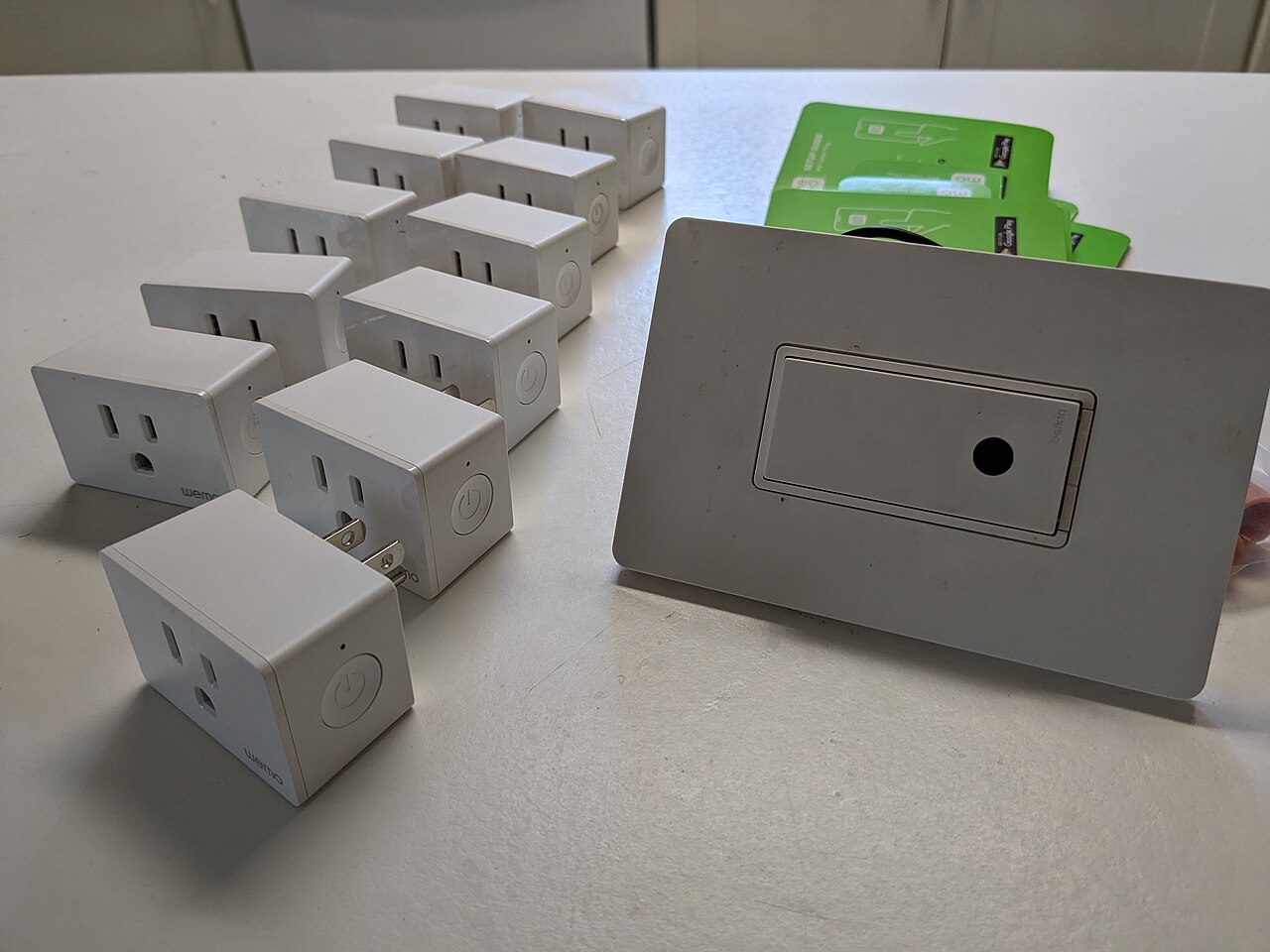
Some apartments use electric radiators or convectors. Smart plugs can add scheduling and remote control to existing electric heaters, though a dedicated smart thermostat with a temperature sensor will give better results.

Smart Thermostat Options Available in Hungary
Tado Smart Thermostat
A European company (headquartered in Germany) with strong local support. Tado offers both a wired thermostat and wireless smart radiator valves. It is well-suited for Hungarian heating systems, especially district heating with radiator valves. The app provides detailed energy reports and geofencing to automatically lower heating when you leave home. Available through major Hungarian electronics retailers like Media Markt and eMAG.
Netatmo Smart Thermostat
Designed by Philippe Starck, the Netatmo combines aesthetics with functionality. It works with most individual boilers and supports OpenTherm for modulating boilers. The Netatmo also offers smart radiator valves for multi-room control. Compatible with Apple HomeKit, Google Home, and Alexa.
Google Nest Thermostat
Well-known globally but availability in Hungary depends on importing from other European markets. The Nest Learning Thermostat is excellent for homes with individual boilers and learns your schedule automatically. Consider warranty and support implications when importing.
Smart Radiator Valves (For District Heating)
If you have district heating, smart radiator valves are your best option. These replace the manual valve on each radiator and allow per-room temperature control. Tado, Eve, and Aqara all offer models that work in Hungarian apartments. Expect to pay 15,000-25,000 HUF per valve.
Installation Considerations for Hungarian Homes
- Wiring compatibility: Hungarian boiler thermostats often use simple two-wire connections (normally open or normally closed relay). Most smart thermostats support this, but verify before purchasing.
- Wi-Fi coverage: The thermostat needs reliable Wi-Fi. In thick-walled panel apartments, you may need to position your router closer to the thermostat or use a Wi-Fi extender.
- Power source: Some smart thermostats need a C-wire (common wire) for power. If your current thermostat only has two wires, look for battery-powered models or those that can work without a C-wire.
- Professional installation: If you are unsure about wiring, a Hungarian electrician or heating technician can install the thermostat for approximately 10,000-20,000 HUF.
Real-World Savings Potential
Here is a realistic breakdown of potential savings for a typical Hungarian household:
- Average annual heating cost (gas boiler, 60m2 apartment): 180,000-280,000 HUF
- Estimated savings with smart thermostat: 15-25%
- Annual savings: 27,000-70,000 HUF
- Cost of smart thermostat: 35,000-75,000 HUF
- Payback period: 6-24 months
These numbers are estimates based on typical consumption patterns reported by Hungarian energy providers. Your actual savings depend on your current heating habits, insulation quality, and how consistently you use the thermostat's scheduling features.
Tips for Maximizing Savings
- Use geofencing or presence detection to lower heating when nobody is home
- Set different temperatures for day and night (16-17C at night, 20-21C during the day)
- Close radiator valves in unused rooms if you do not have per-room smart valves
- Combine with good insulation practices: draft-proof windows and doors, use thermal curtains
- Review the thermostat's energy reports monthly and adjust schedules as your routine changes
The biggest savings come from eliminating waste, not from making your home colder. A smart thermostat's real value is heating your home only when and where you actually need it.
For additional data on European heating efficiency, the International Energy Agency's buildings section offers comprehensive research. The European Commission's energy efficiency pages provide details on EU directives that affect Hungarian building standards.